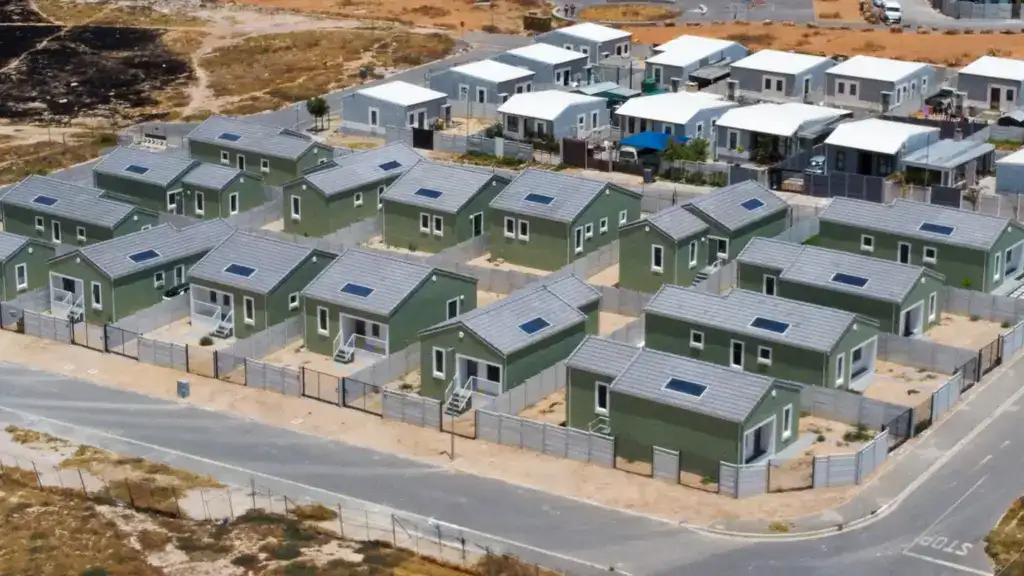

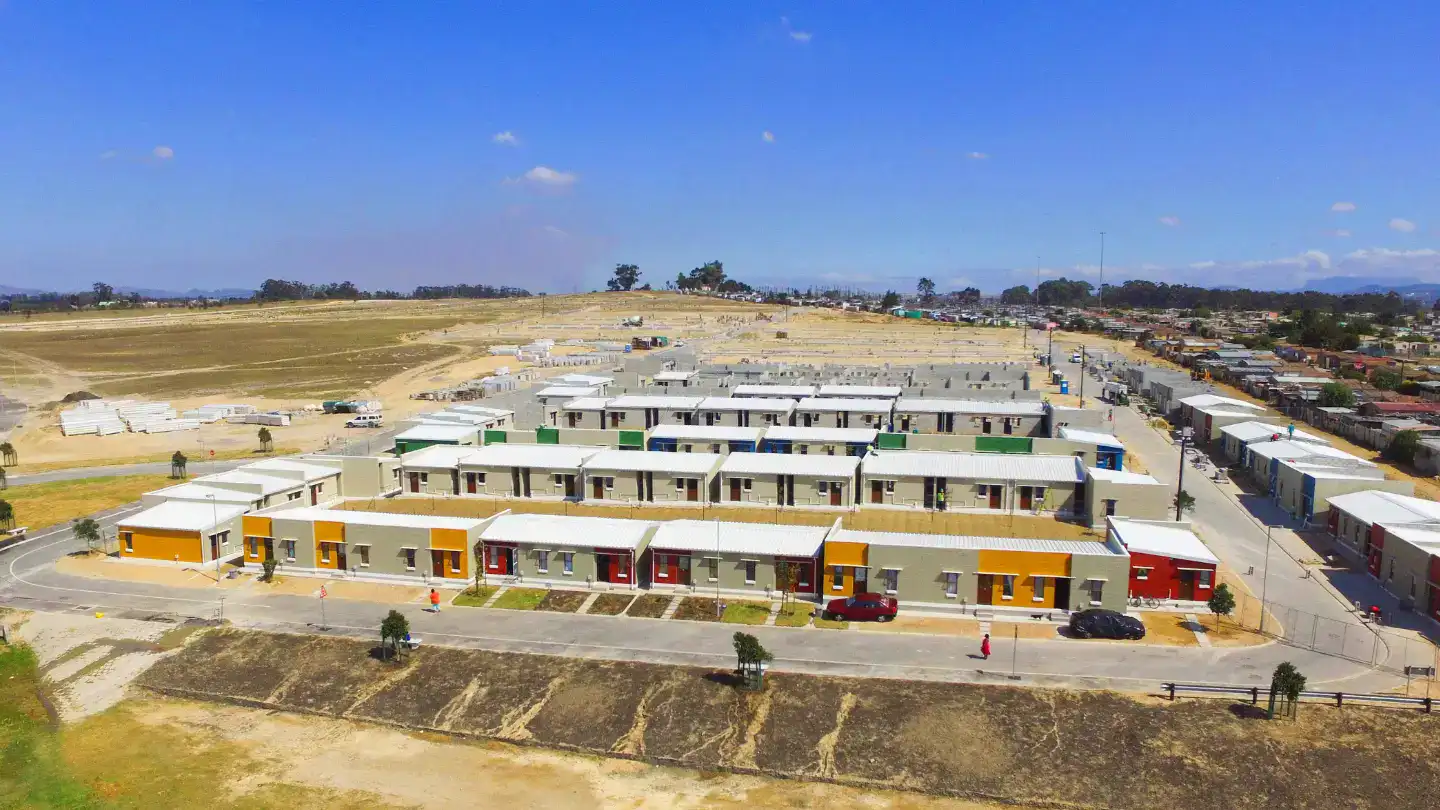
When, in 2016, Garden Cities NPC (RF), the Western Cape’s leading residential development company, officially launched Greenville, at Fisantekraal, north of Durbanville, an influx of 700 000 additional people was predicted to settle in the province by 2030.
This represented the need for at least 175 000 extra homes, making the task of providing accommodation highly challenging. And the backlog remains enormous. However, the 106-year-old company which, since 1919 has completed 15 major residential suburbs in Cape Town, is keeping close to its building schedule at Greenville – against sometimes very challenging circumstances.
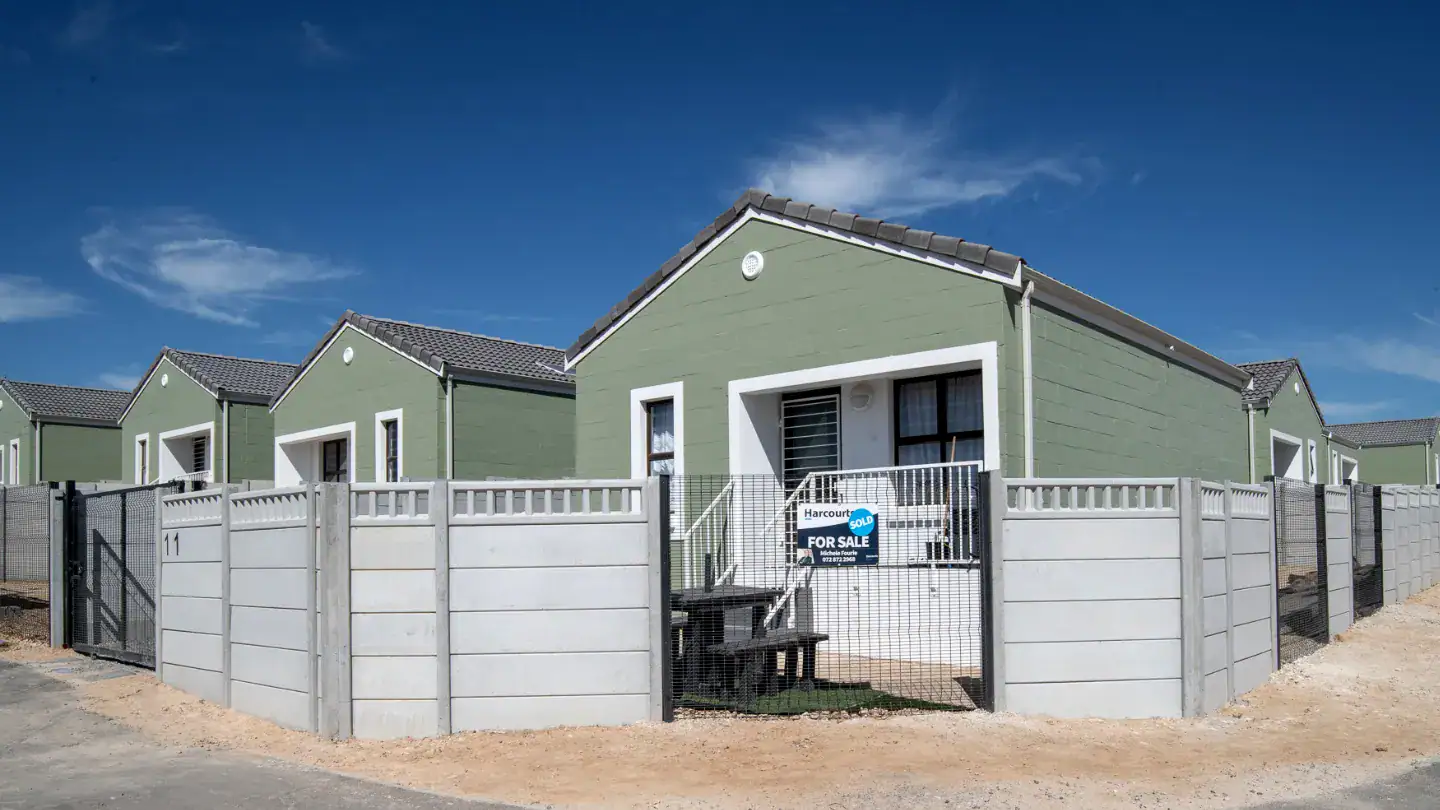
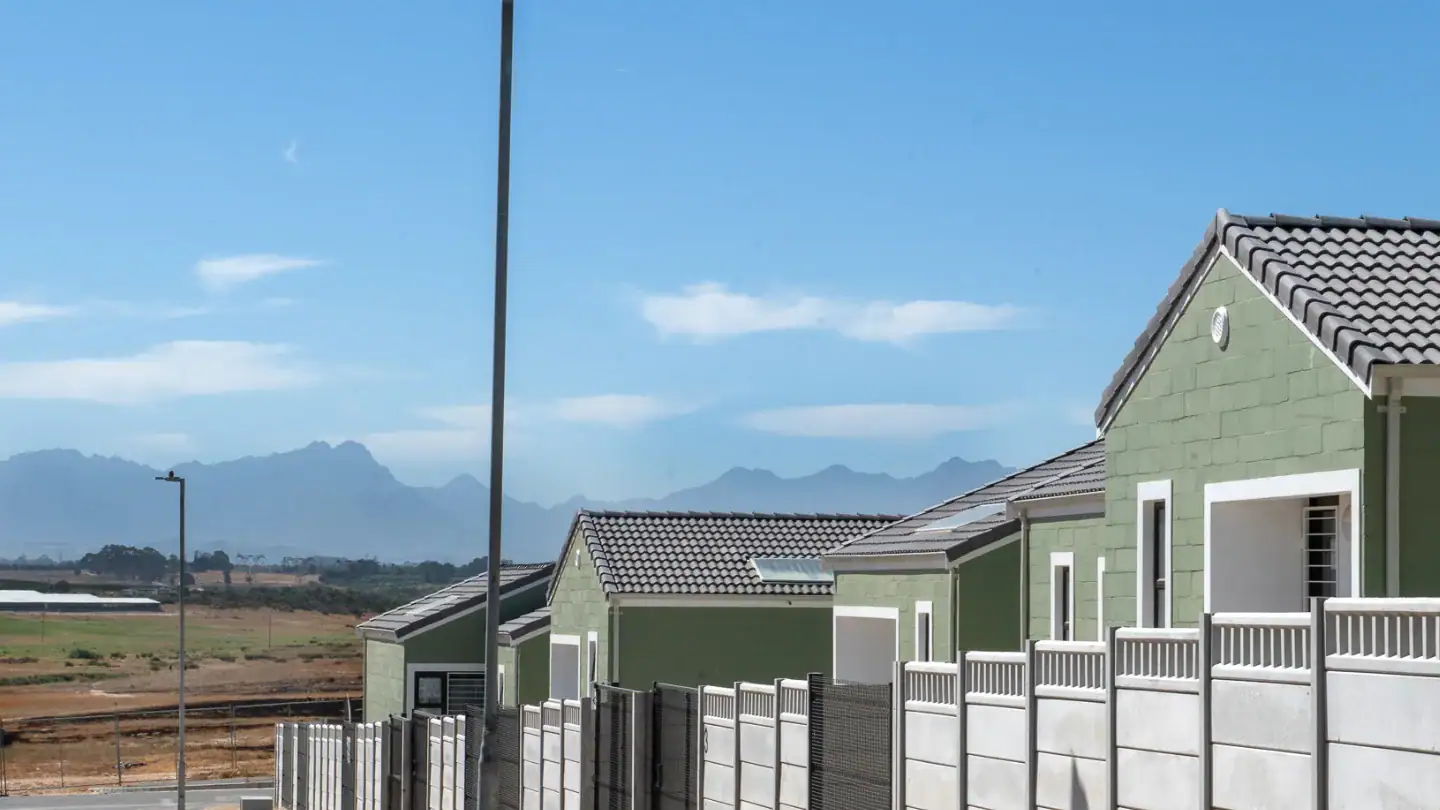
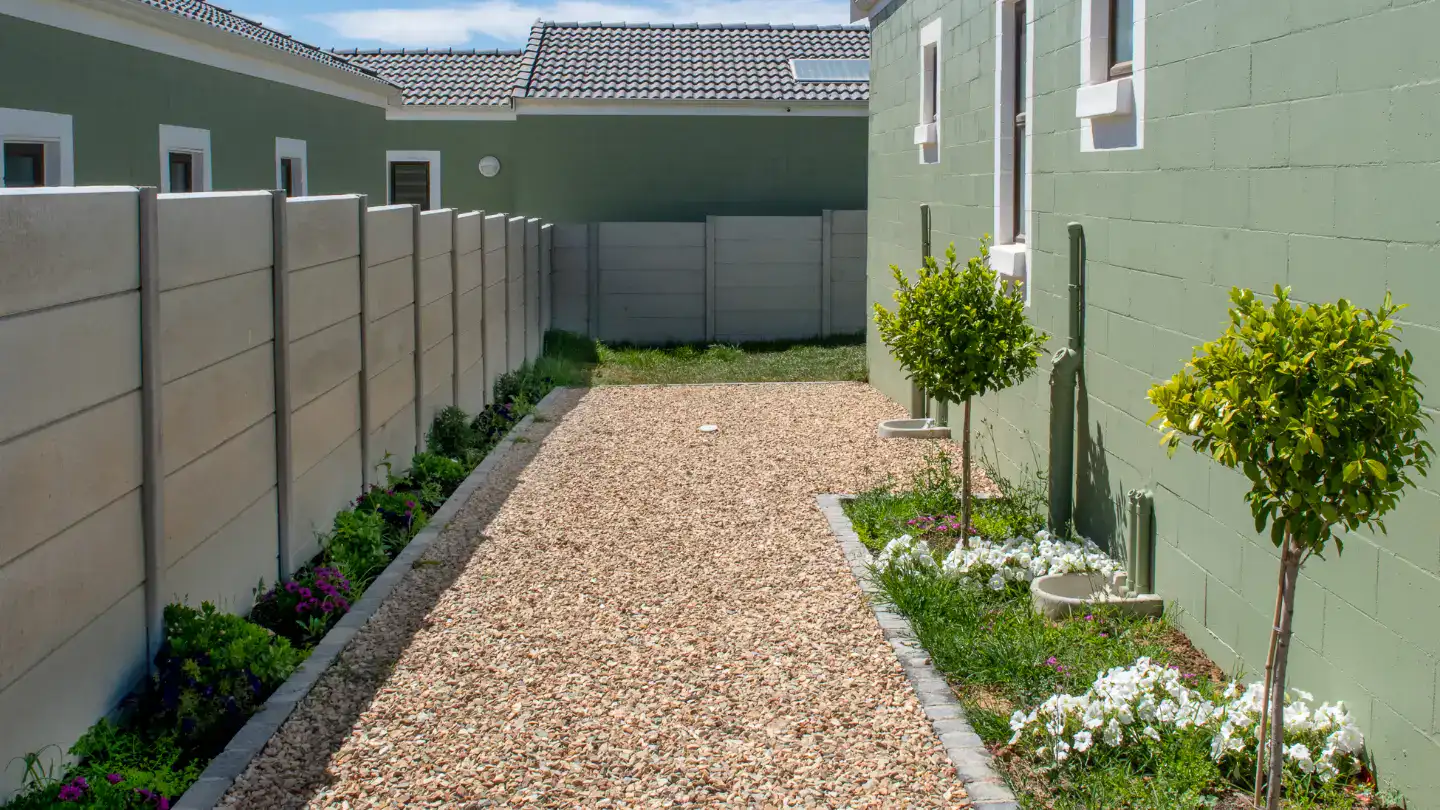

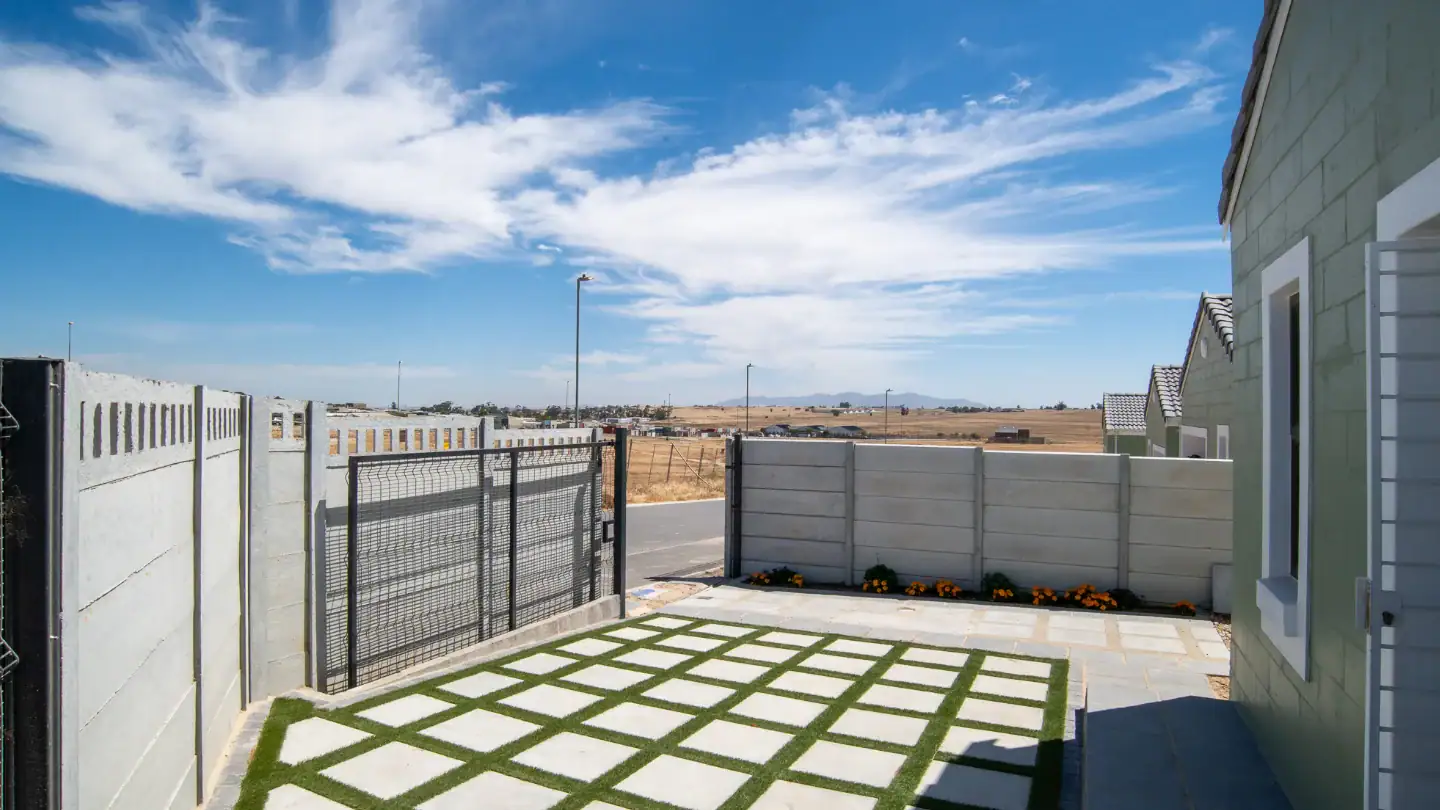
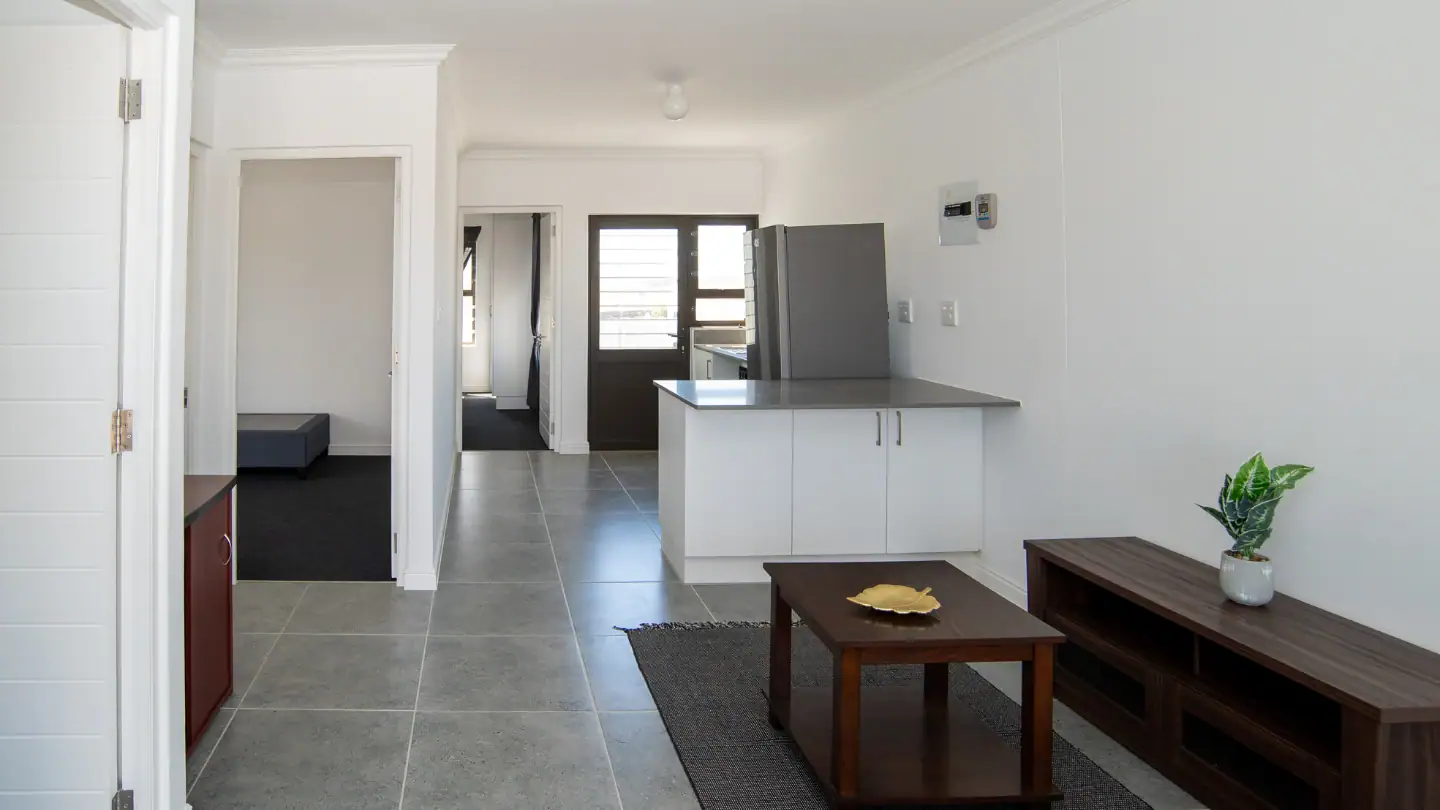
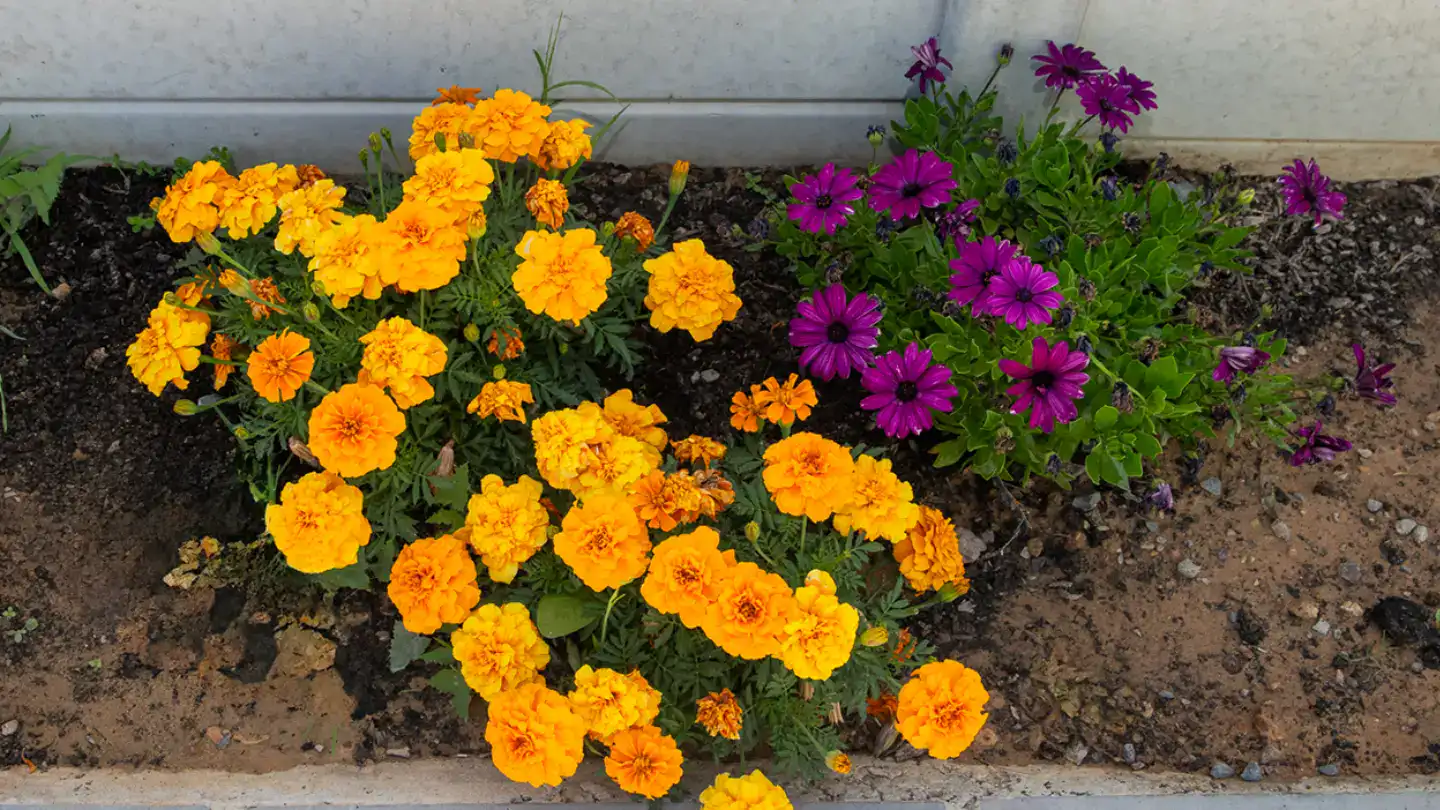
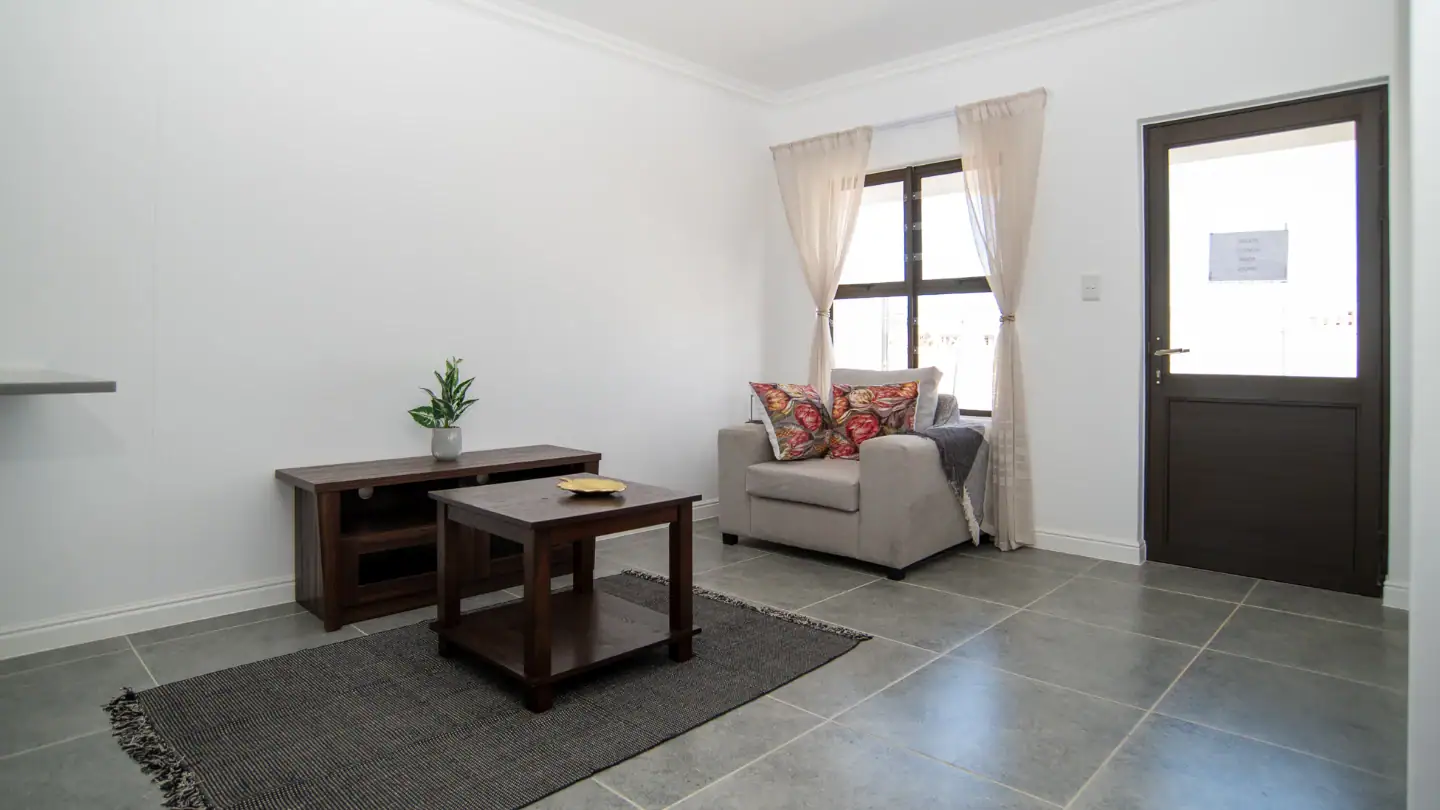
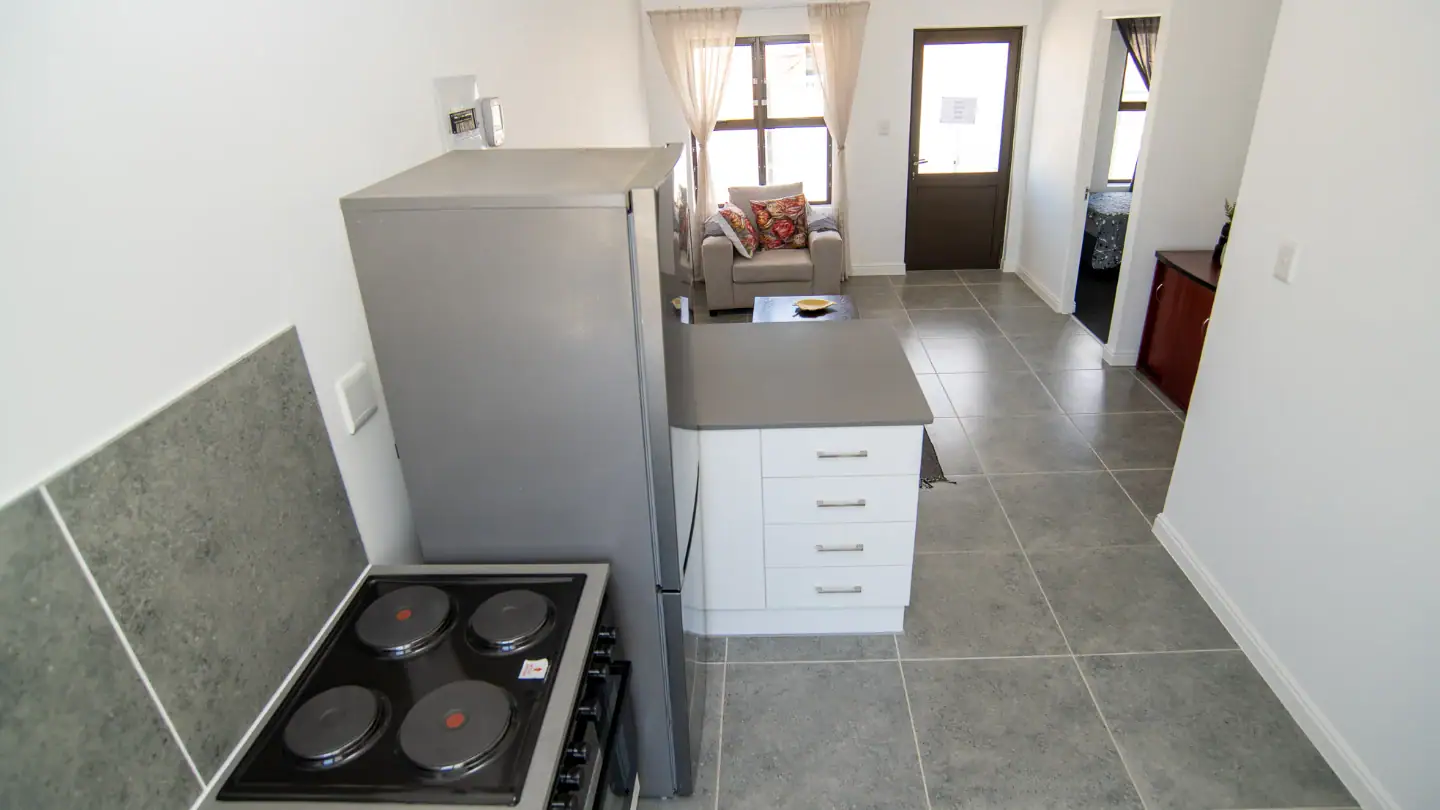
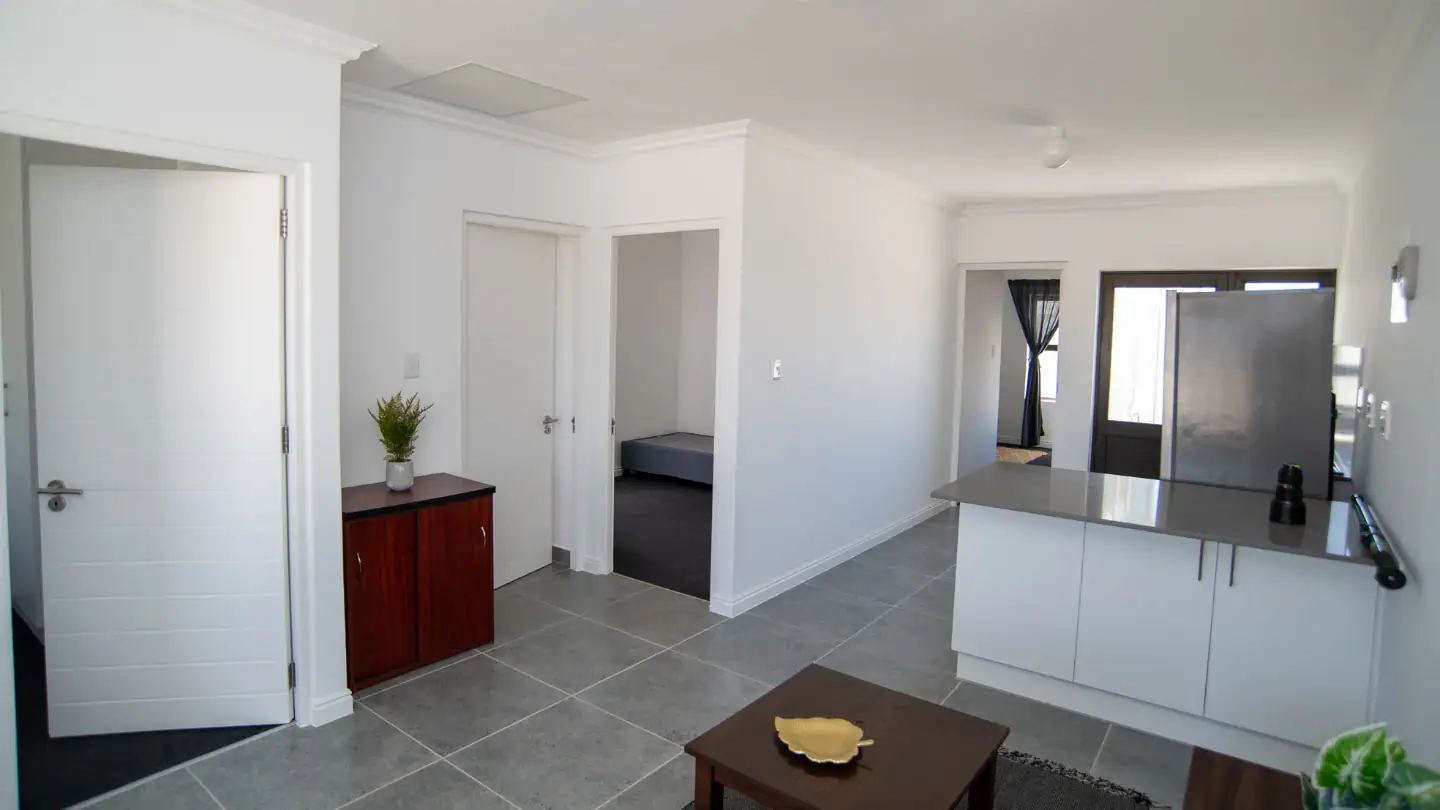
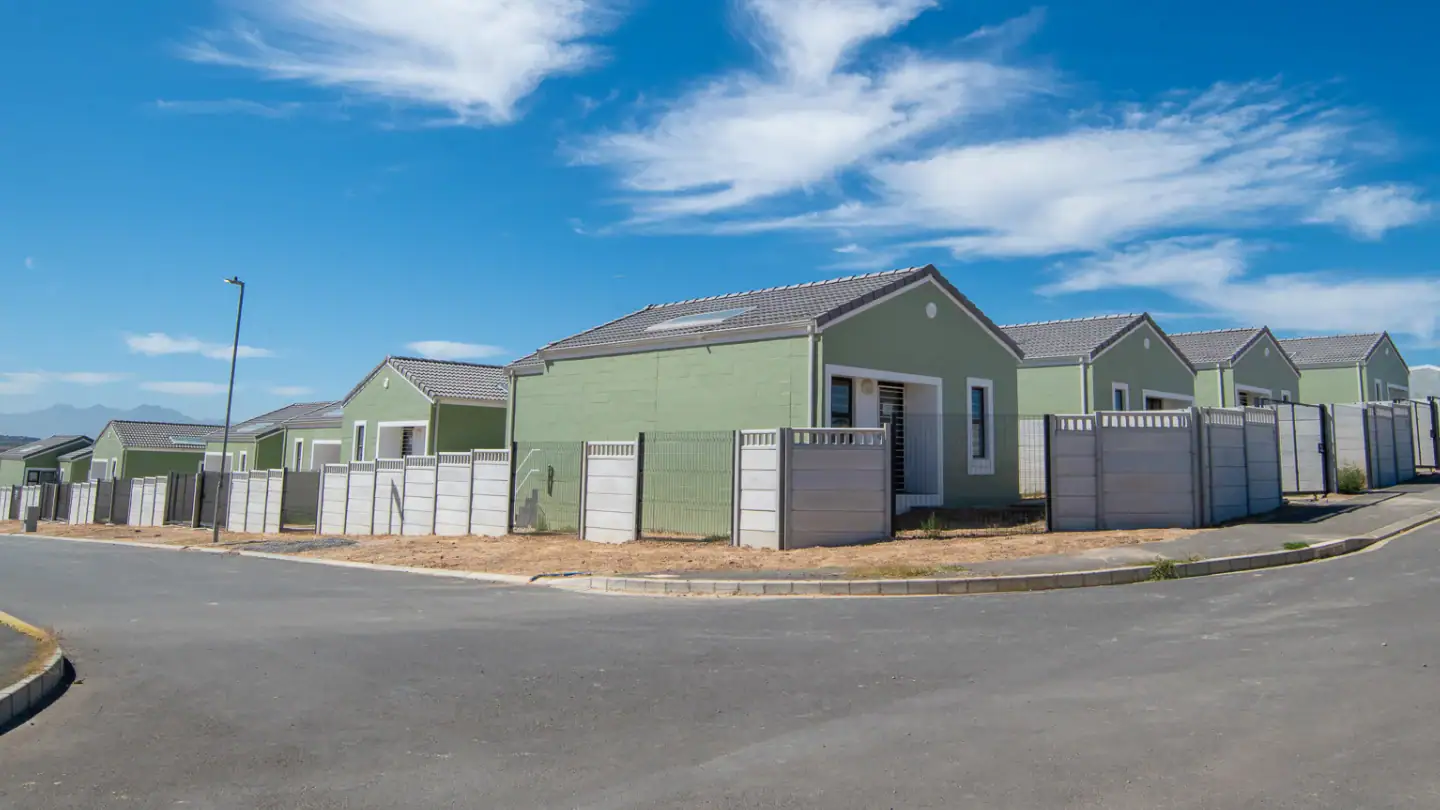
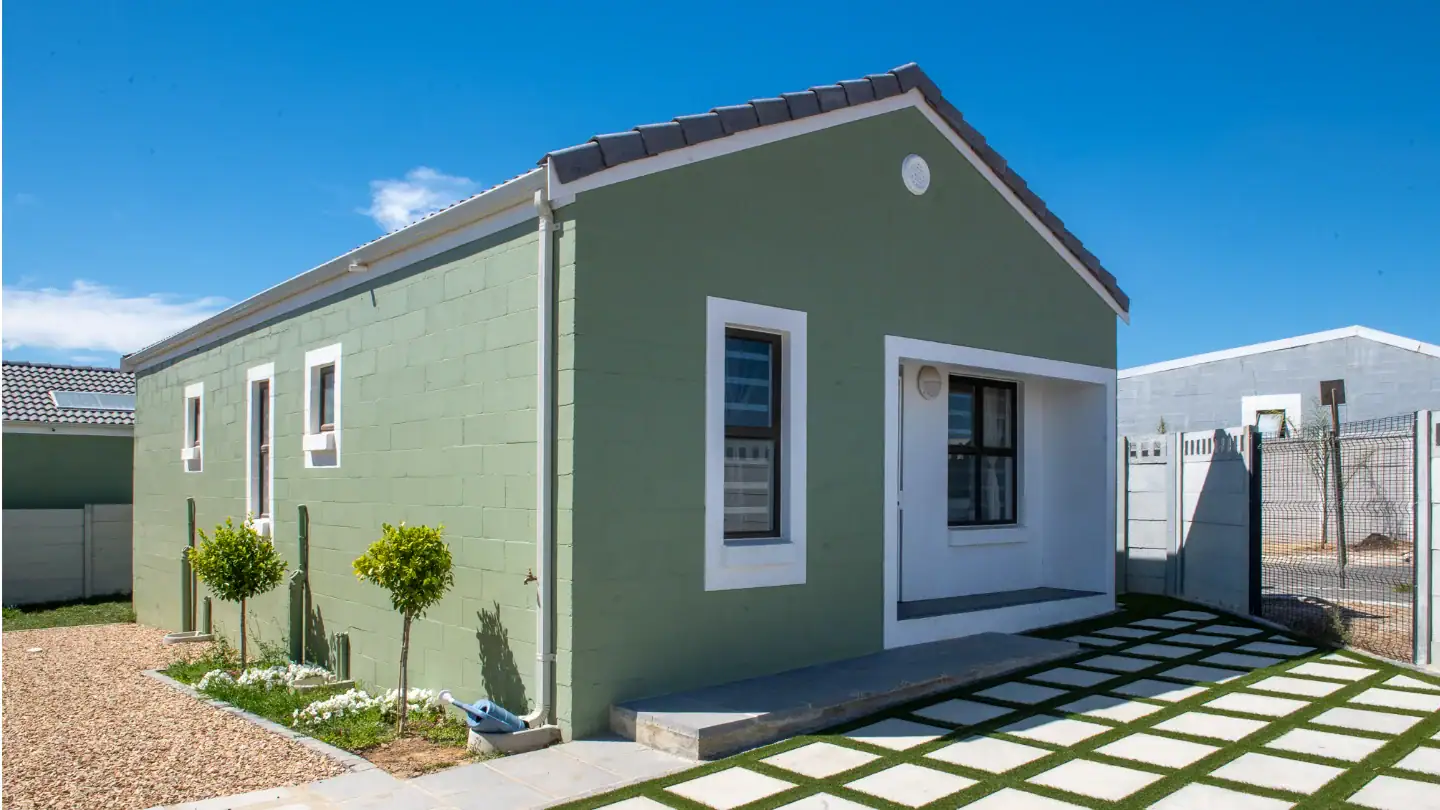
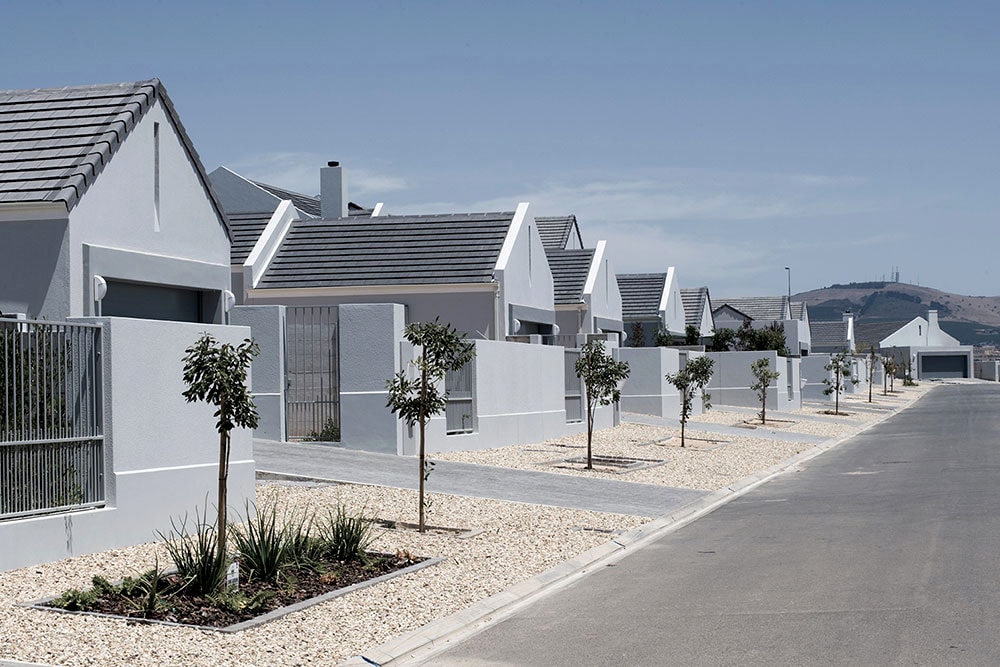
Now, in partnership with the Western Cape Government and City of Cape Town (COCT), over 3 000 of the eventual 5 000 BNG (Breaking New Ground) homes for subsidised buyers in the suburb have been completed and the schedule is planned to escalate. In tandem with the subsidised housing, Garden Cities has in addition, built 32 houses for sale to buyers who qualify for bond financing.
The company is also aware of an increasing number of families who, while unable to raise the finance to buy a home, are keen to occupy increasingly scarce rental accommodation.
To cater for this market sector, affordable rental apartment complexes are being planned, and suitable financial partners sought – hopefully to be sourced from the private sector.
At the time of the launch of Greenville, John Matthews, the Group CEO of Garden Cities said that it had taken his team eight years of intensive planning the task of making BNG (breaking new ground) housing a means of true upliftment and better social conditions. This had resulted in the recruitment of local residents that eventually represented 90% of the workforce.
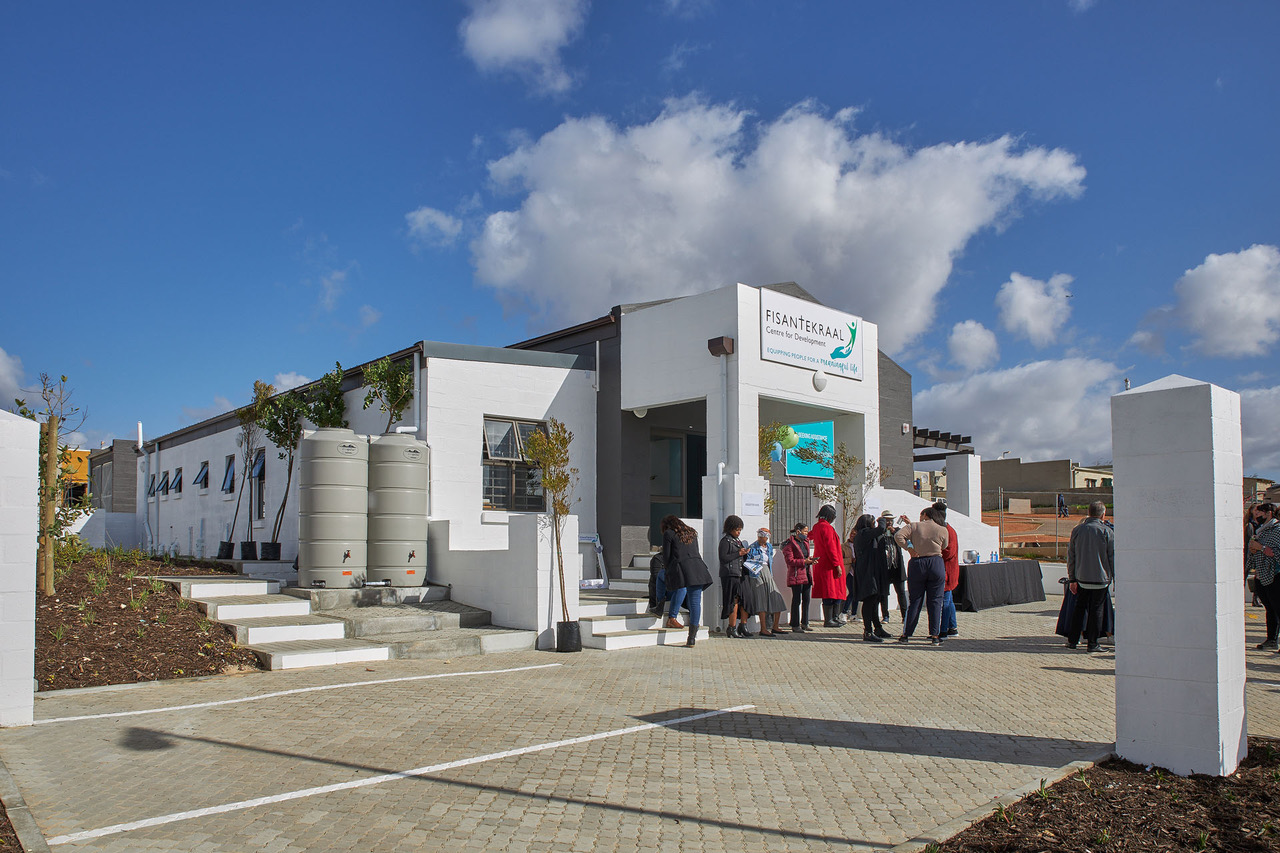
The City of Cape Town administers the channeling of the government grants to Garden Cities for the construction of the BNG houses on behalf of the beneficiaries, on 767ha of land owned by the company, where an entire infrastructure, including primary and high schools, an integrated transport hub and a welter of community facilities has been built.
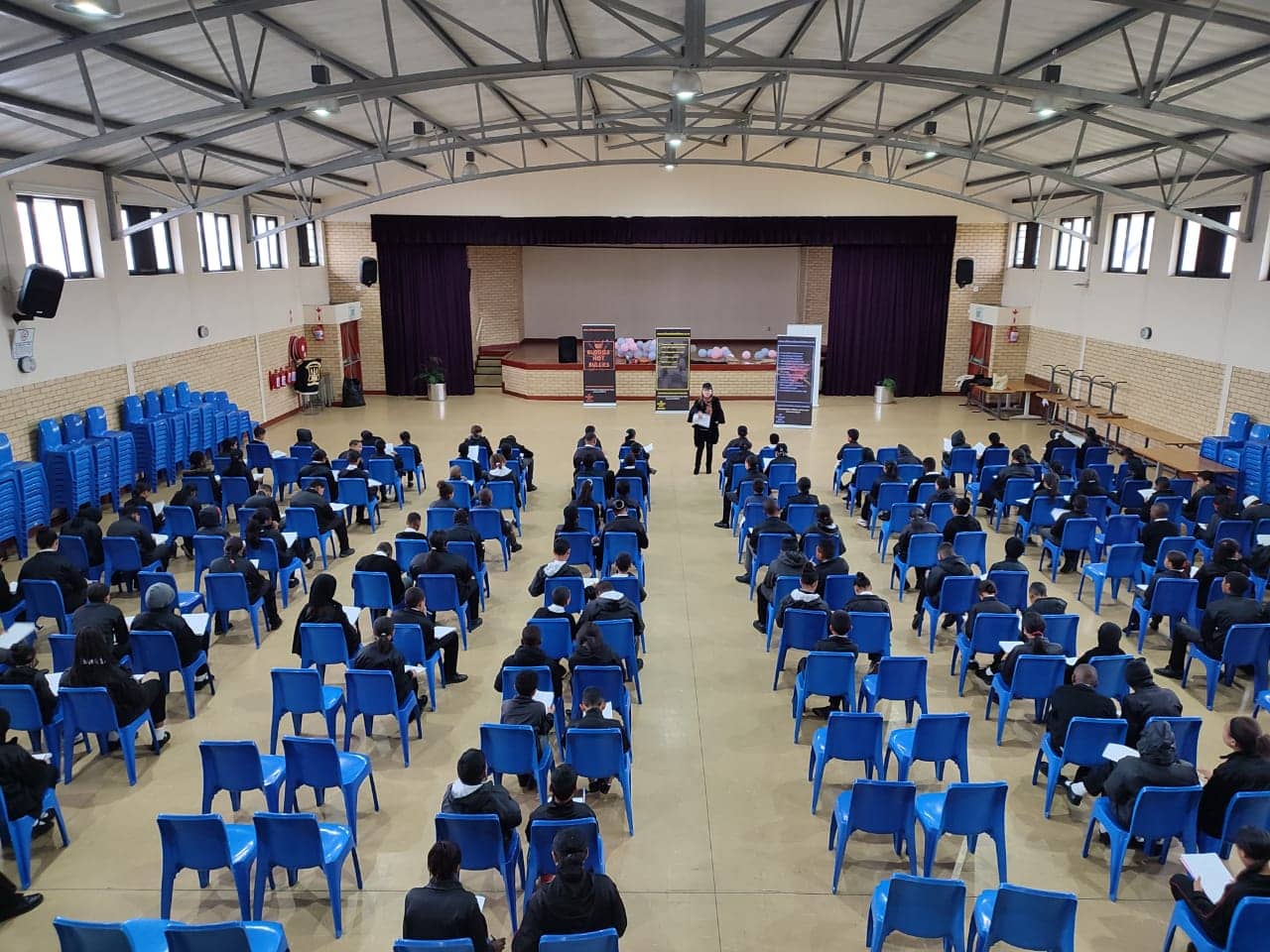
The facilities include church sites; Early Childhood Development – and Community Development NGOs; schools (including the Fisantekraal Primary School and Akila Secondary school); a municipal clinic; and expanding commercial facilities.
Future plans include a Police station, taxi rank, petrol station and a convenience centre expansion.
The original building schedule of 40 houses a month hit the stumbling blocks of COVID and various unexpected interruptions, but against all odds, the construction has continued.
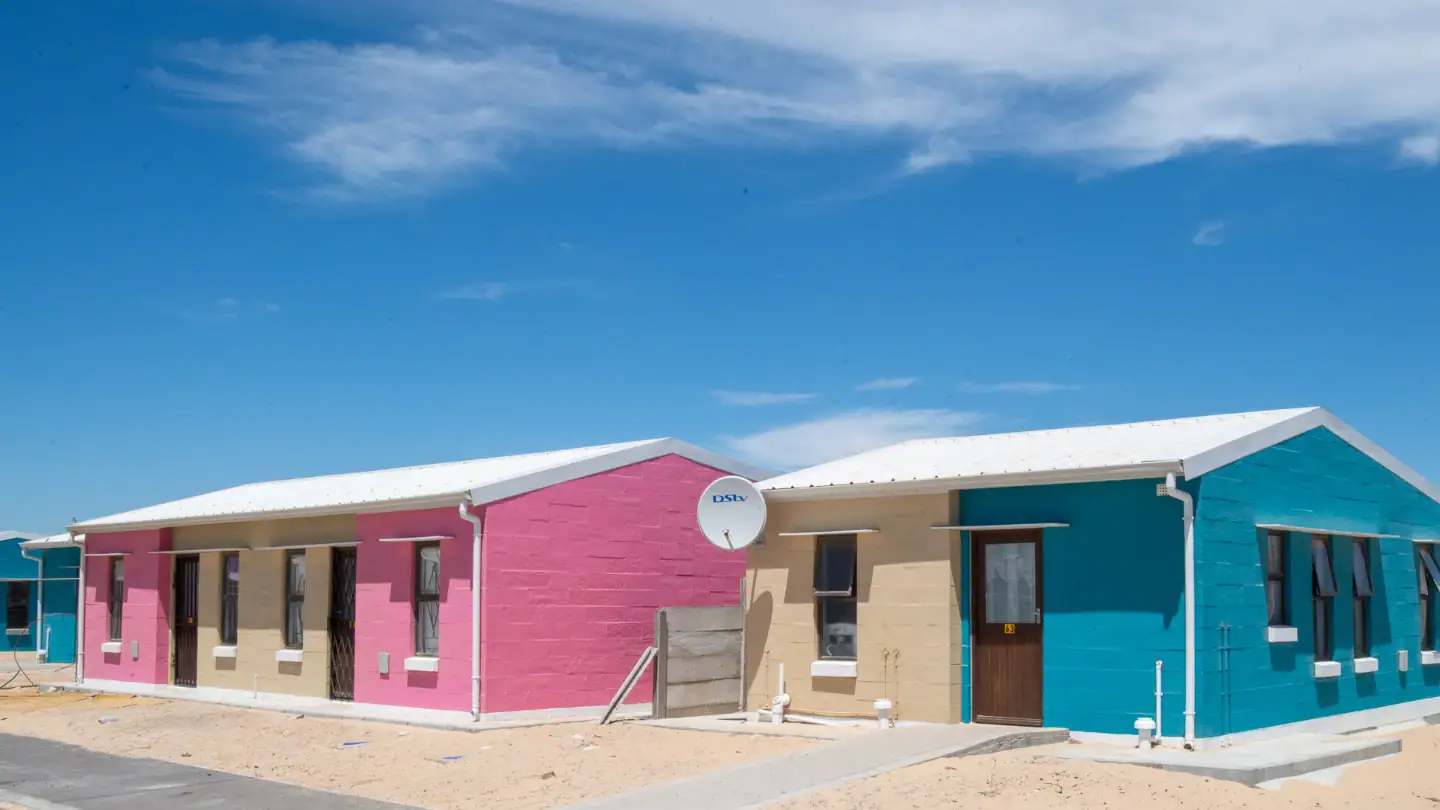
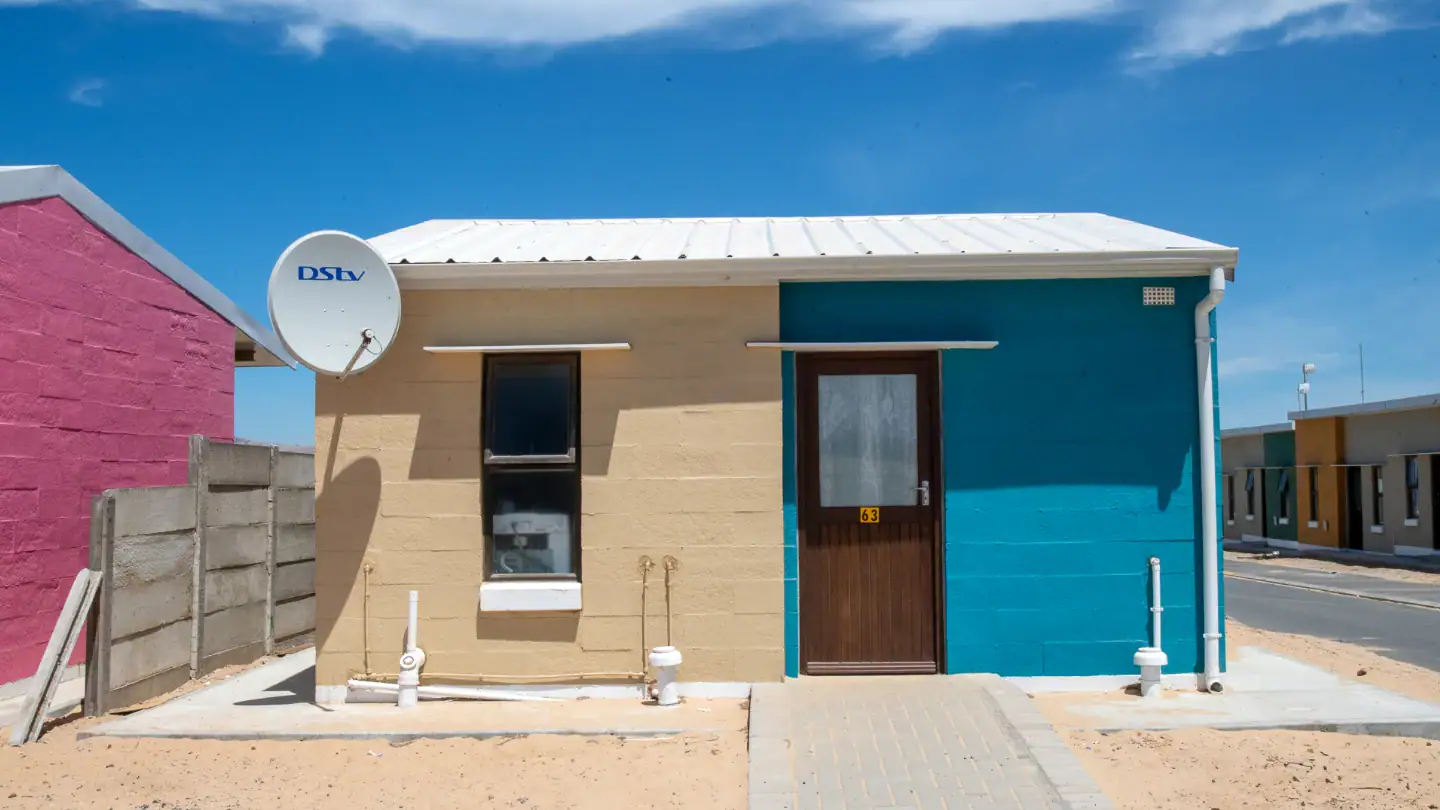
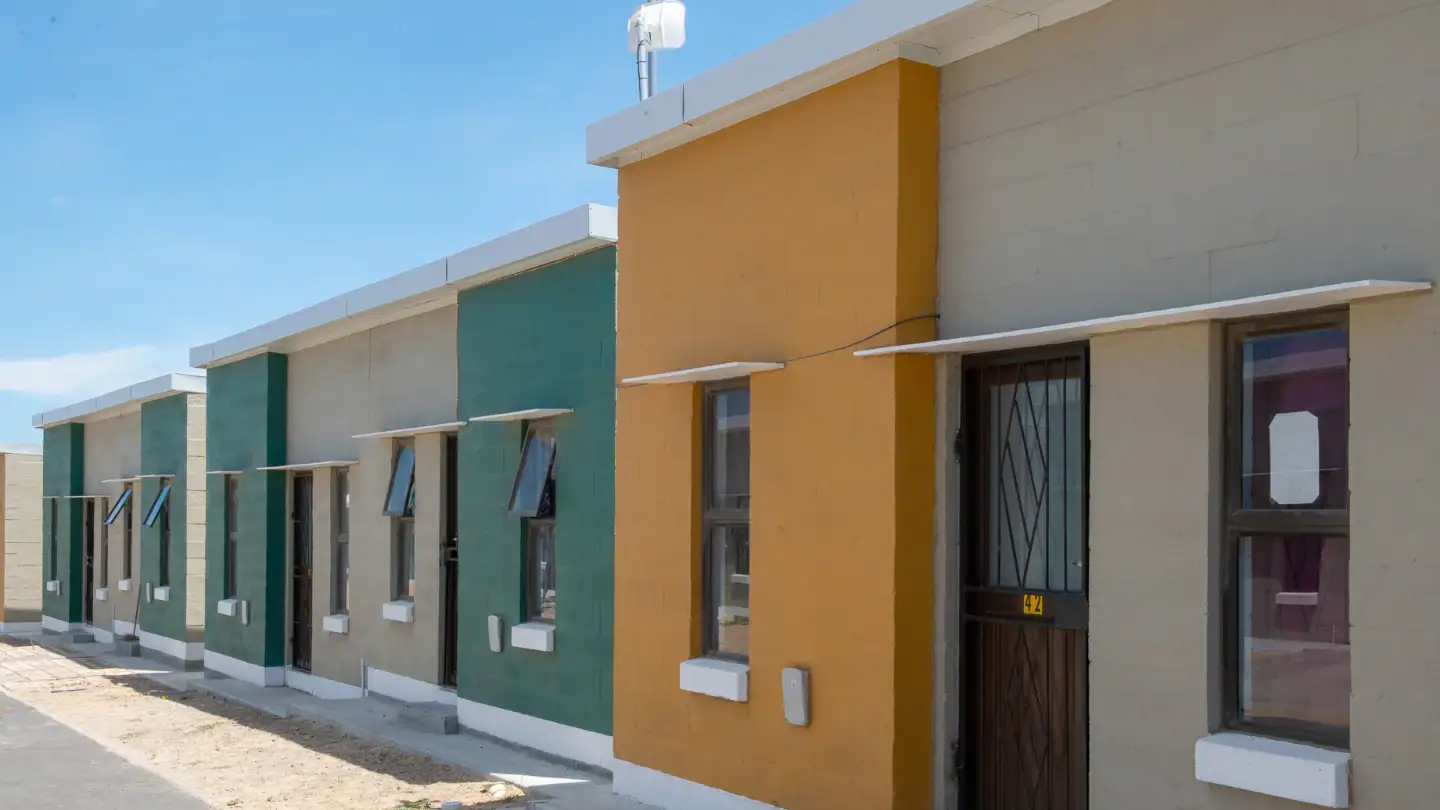
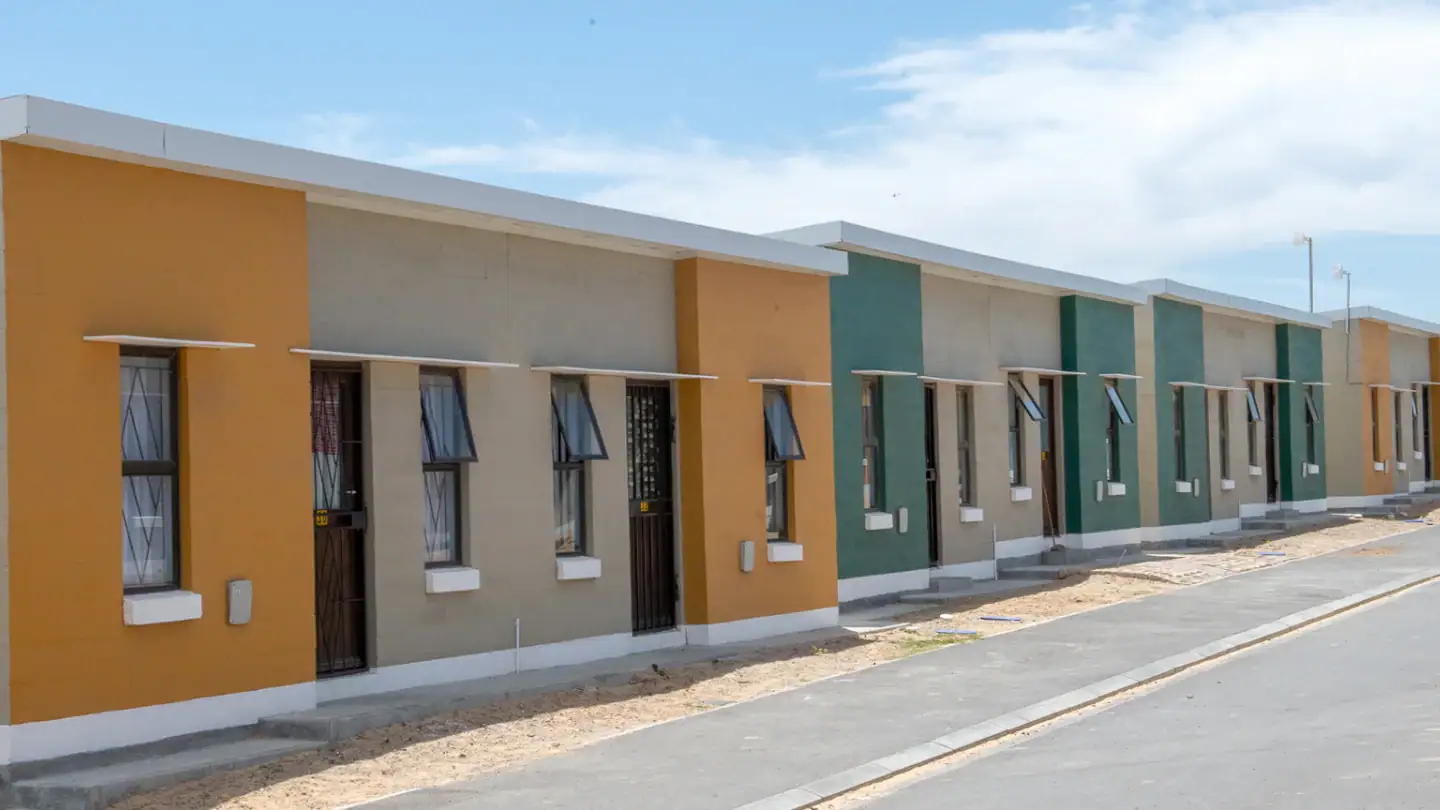
The homes are built using the innovative Benex blocks, invented in Australia, and now produced in a factory in Epping, Cape Town, where previously unskilled and unemployed local people are producing the product.
At the time of the launch, Greenville received enthusiastic support from local government as well as residents, including the Fisantekraal Development Forum that declared it ‘the dawn of a new day’.
The integrated, sustainable suburb, planned with all social, economic and transport amenities was applauded as an example of how the City would manage its residential developments going forward, by locating future areas for all income groups in relation to economic and work opportunities.
The housing need was seen as acute and, coupled with the highest urbanization rate in the country, private and civic parties needed to drive large-scale human settlement developments. A situation where government alone was the key driver of subsidized housing opportunities was seen as unsustainable.
‘Greenville,’ said Matthews, at the time, ‘is our fast-realising dream of restoring dignity to our people.’